
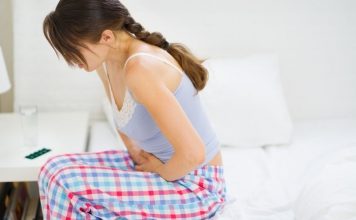

Archive for the 'PMS' Category


Good News For Severe PMS Sufferers

Saturday 23 May 2009

zoloftIn a recent study, researchers found that treating women with severe PMS for a longer period of time meant reducing the chances that those women would have a relapse.

PMS, or premenstrual syndrome, can cause mild symptoms of fatigue, irritability, cramping, and mild physical or emotional symptoms.

On the other hand, the symptoms can be so severe that they interfere with a woman’s quality of life. The standard treatment for severe PMS has been prescription antidepressants, like Zoloft (sertraline), but it hasn’t been clear how long this treatment needed to continue to make a difference.

Researchers compared women who were given a 4 month course of treatment against women who were given a 12 month course of treatment. They found that women treated for only 4 months experienced a relapse of symptoms about 60 percent of the time.

Women who were treated for 12 months experienced a relapse only 41 percent of the time. Not only did the women who were treated longer less likely to relapse, but it took twice as long for symptoms to resurface.

Women whose symptoms were completely relieved by the medication were less likely to have their symptoms resurface regardless of how long they were treated.


Well-Balanced Diet To Reduce PMS Symptoms

Saturday 7 March 2009

balanced dietPMS is a normal part of a woman’s reproductive system.

The monthly menstruation cycle can lead to both physical and emotional symptoms of great discomfort such as mood swings, bloating, increased anxiousness and breast tenderness.

Up to 85% of women have several PMS symptoms, but only 8% of them have severe symptoms that interrupt their daily activities. There are various ways of coping with PMS symptoms such as a well-balanced diet.

Some types of foods increase the serotonin levels in your body that give additional energy to work against and cope with PMS symptoms.

How diet helps with PMS symptoms?

  • Eat a well-balanced diet consisting of foods from various food groups such as grains, fruits and vegetables, proteins and dairy. For instance, magnesium and calcium relieve breast tenderness and bloating. You can get calcium from dairy products such as milk, cheese and yogurt, and cereals and bread also have sufficient calcium levels.
  • Consume foods rich in vitamin B6, which can be found in eggs, potatoes, carrots and eggs. This vitamin allows your body to use serotonin, which again helps to reduce depression.


How To Cope Up With PMS?

Monday 19 January 2009

Premenstrual syndrome is most common problem for many menstruating females and every one of you can experience it once in your entire menstrual years.

Some of you can experience worst effects including depression and lack of energy while others can have routine menstrual cramps and bloating.

Despite of intensity of the pain and other PMS symptoms, you need to cope up with PMS to get better relief from the problem. Here are few successful ways that can help you long way.

Successful ways to cope up with PMS

Get better relaxation

Explore different ways to relax yourself and implement them in your regular periods. Deep breathing techniques and developing positivity in mind are best ways to train your mind and body for better relaxation.

Get enough sleep at night

Always remember the more you are tired, the harder will be PMS symptoms. When you are tired extremely, get good night sleep because sleep is one of the best ways to relax your body.

Get balanced diet

Diet always plays a major role in the treatment of various health concerns including PMS. Consult any diet  specialist and follow the diet accordingly to get better relief.


Simple Diet Changes To Manage PMS Symptoms

Monday 17 November 2008

Whether you are experiencing severe menstrual cramps or mood swings, PMS (premenstrual syndrome) can get in the way of every woman’s routine life.

Almost 85% of menstruating women has some form of PMS symptoms and about 8% suffer with severe PMS symptoms.

However, you can reduce the severity of the symptoms with simple diet changes. Here are few diet tips that can hopefully help you to manage PMS symptoms.

Limit sodium intake

Bloating naturally happens during PMS and sodium drastically increases the condition during your menstrual periods. So, try to decrease your intake of salty foods that are rich in sodium content, particularly during regular menstrual periods.

Eat lots of fruits and vegetables

Fruits and vegetables contain all essential nutrients and vitamins for your body. The soluble fiber present in fruits and vegetables help greatly to alleviate the symptoms of PMS.

Avoid refined sugar

Consumption of refined sugar aggravates bloating and also potentially lowers chromium levels in blood. Excess intake of sugar during PMS can trigger fatigue, mood swings and also depression.

Limit caffeine and alcohol


Cigarette Smoking May Worsen Premenstrual Woes

Saturday 15 November 2008

Here’s another reason not to smoke, if you’re a woman: PMS.

Women 27 to 44 years old who smoke are twice as likely to develop premenstrual syndrome over the next two to four years, especially hormonally-related symptoms like backaches, bloating, breast tenderness, and acne, Dr. Elizabeth R. Bertone-Johnson of the University of Massachusetts in Amherst and her colleagues found.

“Our findings lend further support to the idea that smoking increases the risk of moderate to severe PMS, and provides another reason for women, especially adolescents and young women, not to smoke,” Bertone-Johnson told.

Up to 20% of women have PMS severe enough to affect their relationships and interfere with their normal activities, Bertone-Johnson and her team note in the American Journal of Epidemiology.

Smoking has been shown to affect levels of several different hormones, and the handful of studies looking into PMS and smoking have suggested that women with the syndrome are more likely to be smokers, the researchers add.

To investigate the relationship further, they analyzed data from the Nurses’ Health Study II, which has been following 116,678 US registered nurses since 1989.


Are You Aware Of Premenstrual Dysphoric Disorder?

Monday 21 July 2008

premenstrual dysphoric disorderDo you repeatedly experience unpleasant, disturbing, emotional symptoms before your regular menstruation cycle?

Then you might be suffering with premenstrual dysphoric disorder (PMDD).

If you think that you are the only person suffering with this disgusting condition, then just try to throw away such kind of thinking.

It has been estimated that almost 75% of all menstruating women can experience mild to moderate premenstrual symptoms.

But, at least 2- 10% among these can repeatedly experience this kind of depressive mood swings, before their regular menstrual periods.

Role of hormones!

This premenstrual dysphoric disorder doesn’t appear to happen just simply because of an imbalance in your ovarian hormones. Many researches have found that there is no difference in estrogen levels and progesterone hormones across the menstrual cycle of females with PMDD and those without any symptoms of PMDD.

On the other hand, some of the researches assertively declared that these changes in the hormone levels must play a crucial role in the functioning of ovaries. This is due to the reason that the symptoms, which are especially responsible for PMDD, actually disappear when the ovaries do not function properly or even when they are completely removed.


PMS Relief - Natural Approaches And Lifestyle Changes!

Tuesday 26 February 2008

PMS ReliefIn the United States, about twelve to twenty-five million women of reproductive age are with PMS.

PMS (Premenstrual Syndrome), is a disorder that develops before the onset of menstrual periods.

The changes in hormone levels during menstrual cycle are the basis for this condition.

With symptoms of PMS, many women monthly experience feelings of fatigue, dizziness, depression, bloating, irritability, and headache. No matter how severe the symptoms are one can find PMS relief with natural approaches and lifestyle changes.

PMS Relief - Natural Herbal Remedies

Women suffering from premenstrual syndrome can have PMS relief with natural herbal remedies.

Dong Quai (Angelica polymorpha) is one of the most widely used herbal tonic for hormonal imbalance. Consuming dong quai daily gives PMS relief, particularly from premenstrual cramping and pain.

St John’s Wort (Hypericum perforatum) is the natural anti-depressant and a mood enhancer. It actively relieves from depression, anxiety, irritability and disorders associated with PMS.

Chaste berries, flaxseed oil, parsley, bee pollen, lavender, and primrose oil are other natural remedies for PMS relief.

PMS Relief - Medications

Several medications are available for PMS relief. Anti-inflammatory drugs help to prevent the body from producing hormones that triggers PMS. COX-2 inhibitors are a new type of Non-steroid anti-inflammatory drugs that help relieve PMS symptoms.


Know Your PMS Symptoms For Early Diagnosis!

Friday 13 July 2007

PMS SymptomsPremenstrual Syndrome (PMS) is characterized by a group of symptoms related to menstrual periods.

You may experience PMS symptoms anytime after the ovulation that occurs roughly two weeks before the onset of your periods.

However, it disappears as your periods start.

You can notice different changes in your body during the last 3-14 days of your menstrual cycle, which could cause some degree of pain.

There are about 150 PMS symptoms associated with this condition, which often affects physically and emotionally.

The number, type, and severity of PMS symptoms vary from woman to woman. Also, the symptom changes from month to month in the same woman.

Here are some of the most common PMS symptoms:

Fatigue: It is the most common nervous system PMS symptom. With this symptom, you feel tiredness that you can hardly spend the day. Sometimes, you may also experience trouble sleeping at night, called insomnia.

The other symptoms of this type are hypersomnia (sleeping for long time abnormally), anorexia (loss of appetite), lethargy, agitation, change in sex drive, and dizziness.

Tension and irritability: This is a mood-related PMS symptom. With this type of symptom, you may feel very nervous and small irritations appear huge. Often your reaction will be out of proportion to the condition.


«« Previous Posts